Why Pet Waste Pick-Up is Essential for a Healthy Yard
December 29, 2025
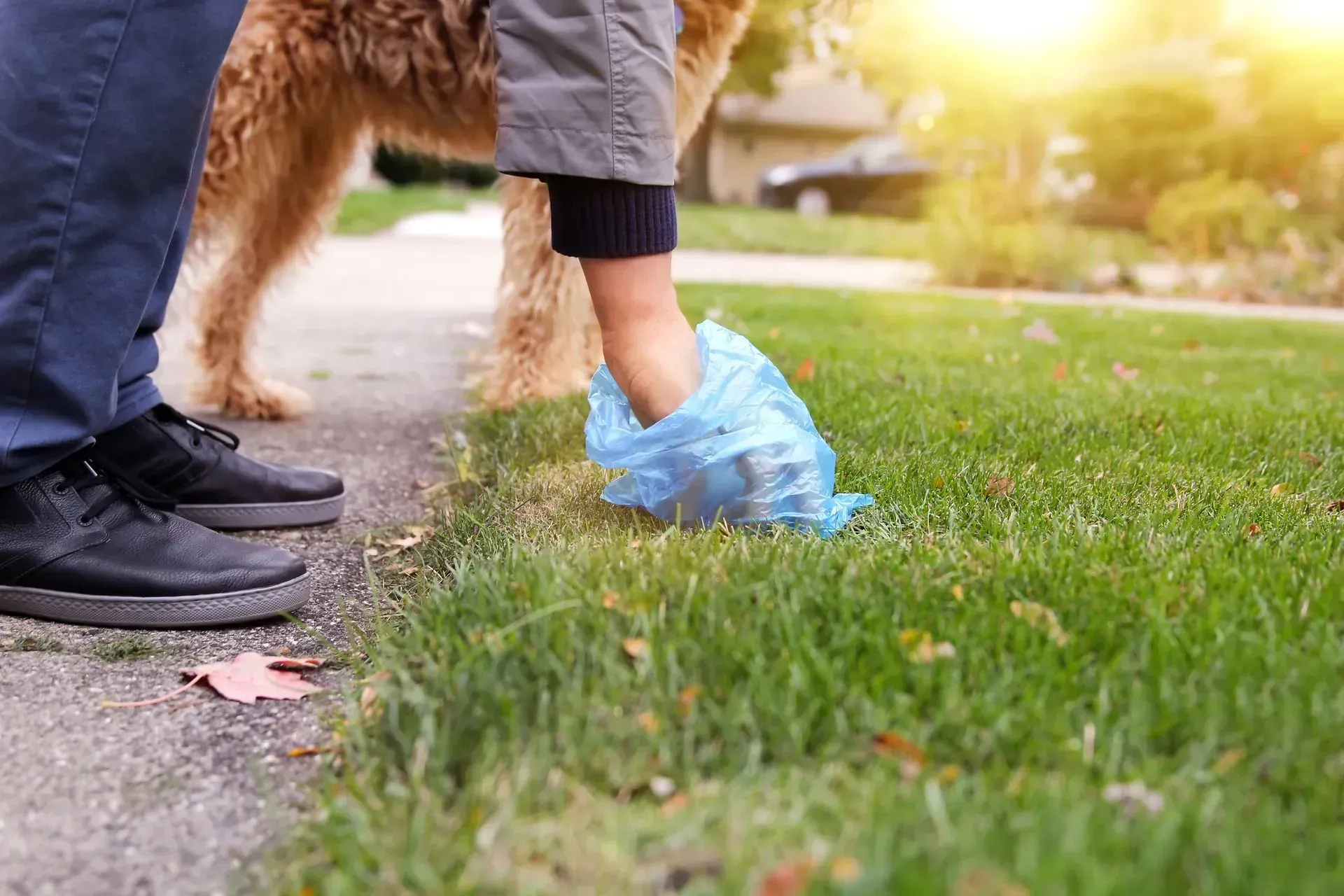
Maintaining a clean and healthy yard goes far beyond mowing the lawn or trimming hedges. For pet owners, one of the often-overlooked tasks that directly affects the safety, hygiene, and aesthetic of your outdoor space is pet waste management. Left unattended, pet waste can introduce harmful bacteria, parasites, and unpleasant odors, undermining both your yard’s appeal and the health of your family and pets. With more households adopting pets, understanding the critical role of regular pet waste pick-up has never been more important.
Beyond hygiene, effective pet waste removal also contributes to environmental protection and community well-being. Rainwater can wash untreated waste into storm drains, contaminating local waterways with bacteria and nutrients that disrupt ecosystems. Additionally, uncollected waste can create conflicts with neighbors and diminish the enjoyment of your outdoor space. By prioritizing regular pick-up, homeowners not only safeguard health but also uphold property aesthetics and environmental responsibility. This guide explores why pet waste pick-up is essential, practical approaches for maintaining a clean yard, and the broader benefits of responsible pet ownership.
The Health Risks of Neglecting Pet Waste
Bacteria and Parasites
Pet waste is more than an eyesore; it’s a breeding ground for harmful pathogens. Common bacteria such as E. coli and Salmonella thrive in animal feces, posing risks to humans and other animals alike. Parasites like roundworms and hookworms can also contaminate soil, potentially leading to severe infections if ingested accidentally. Children who play outside and pets who roam freely are particularly vulnerable. Even brief exposure to contaminated soil can result in illness, highlighting the importance of regular removal.
Real-World Scenario
Imagine a family picnic on a lawn that hasn’t been properly maintained. Unseen pet droppings could harbor bacteria that cause gastrointestinal illness, skin irritation, or even long-term health complications. Pets that play in these areas may carry pathogens back into the home, increasing exposure risk. By prioritizing pet waste pick-up, homeowners minimize these health risks and ensure their yard remains a safe environment for all occupants while fostering peace of mind for the family.
Best Practices
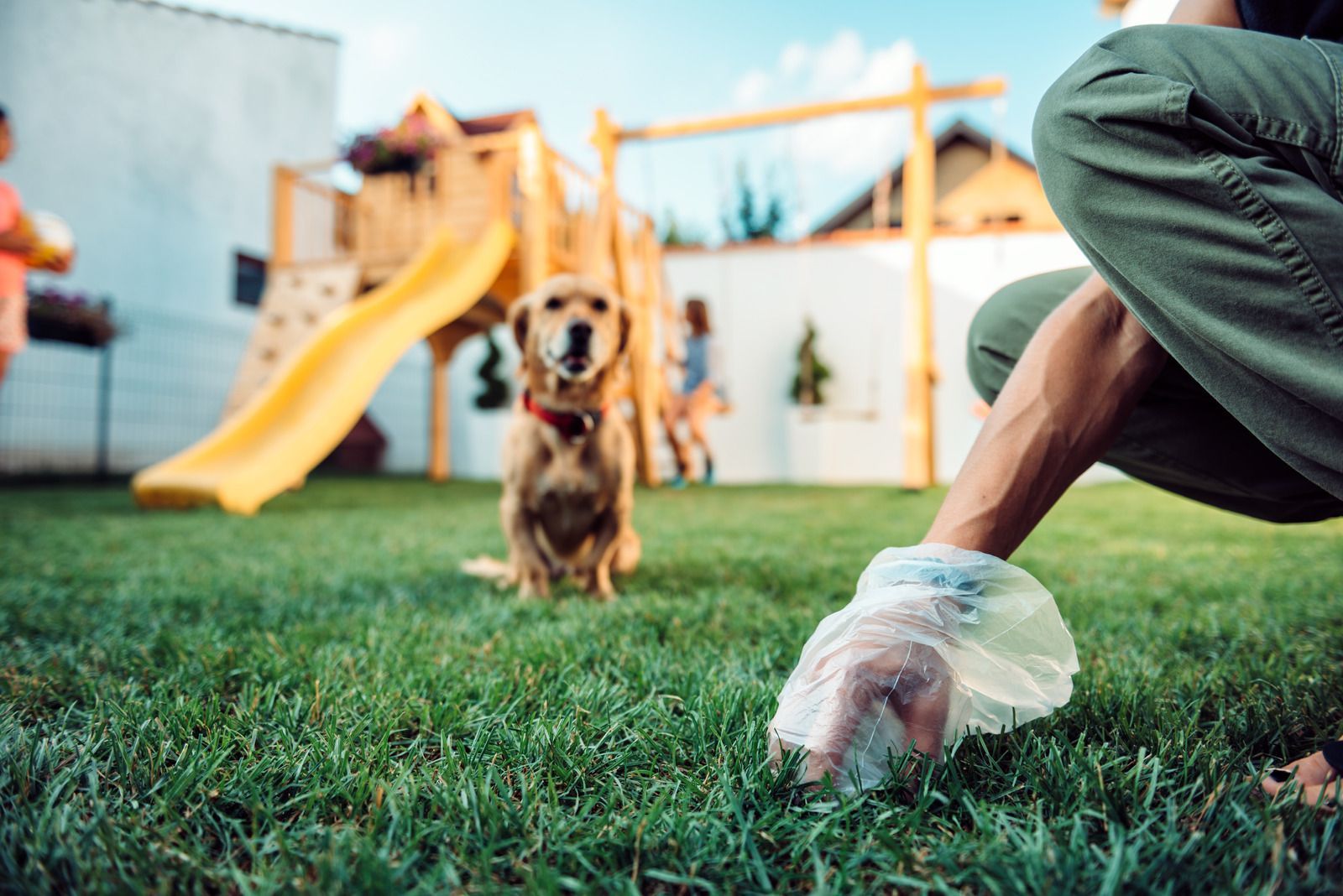
To mitigate health risks, establish a daily or weekly waste pick-up routine depending on the number of pets. Using gloves or specialized tools ensures minimal contact with pathogens, reducing the likelihood of spreading bacteria. Disposing of waste in sealed bags or designated containers prevents contamination and aligns with community health standards. Additionally, cleaning and sanitizing frequently used areas, like dog runs or patios, further reduces potential hazards.
Environmental Impacts of Pet Waste
Water Pollution
Pet waste left on lawns does more than affect your immediate surroundings—it can harm local ecosystems. Rainwater can carry fecal matter into storm drains, eventually contaminating rivers, lakes, and other water bodies with harmful bacteria and excess nutrients, such as nitrogen and phosphorus. This can result in algal blooms, which deplete oxygen in water and threaten aquatic life. Over time, untreated waste can even disrupt recreational water activities and fishing areas, impacting the community and local economy.
Soil Degradation
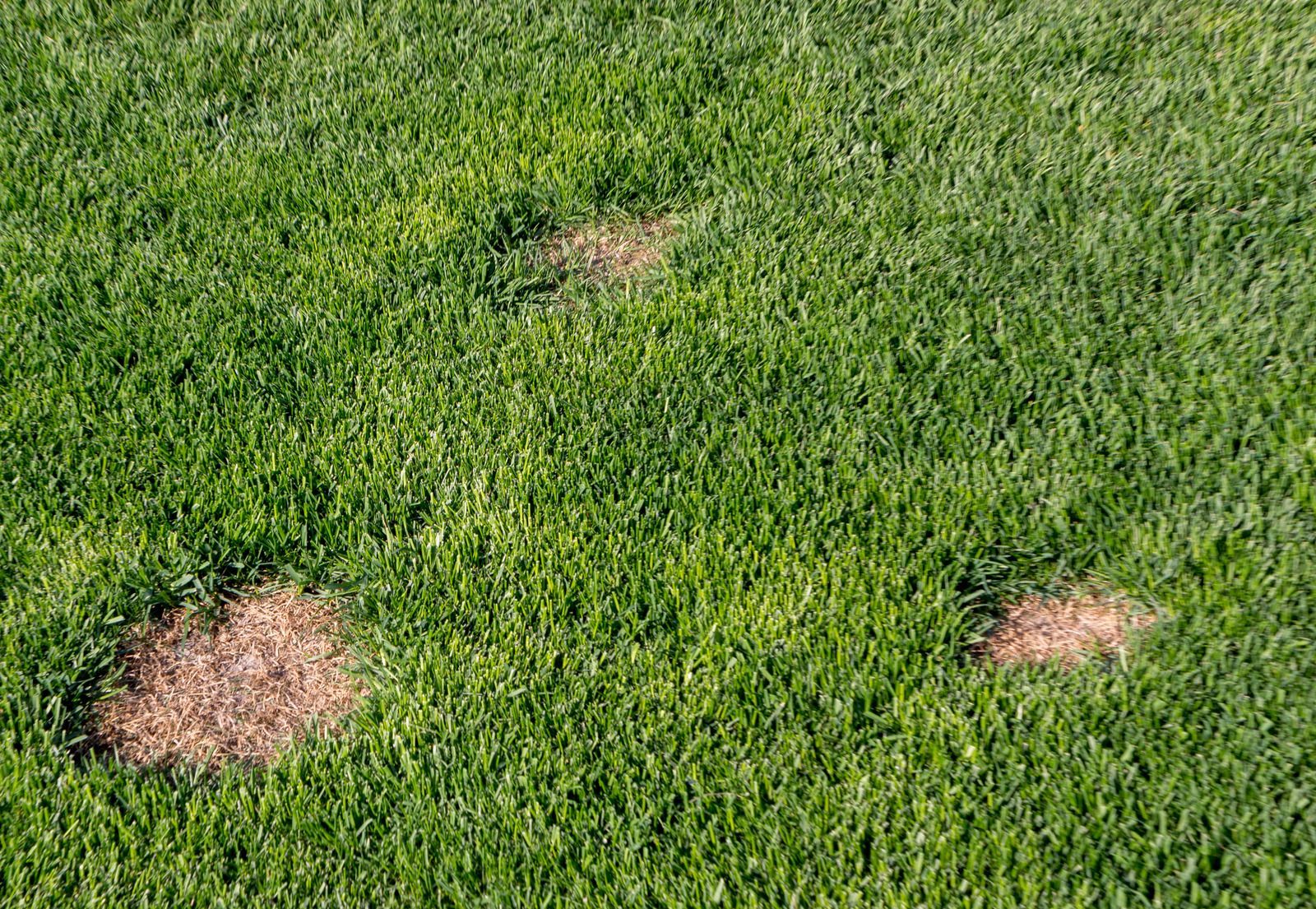
Over time, the accumulation of pet waste can alter soil composition, increasing nutrient levels unevenly and creating “hot spots” that are unsuitable for healthy grass growth. Persistent waste areas often turn into barren patches, requiring costly lawn rehabilitation. Excess nitrogen and phosphorus from decomposing feces can also change the soil’s pH balance, making it less hospitable for beneficial plants and microorganisms.
Actionable Steps
Homeowners should incorporate pet waste pick-up into routine landscaping practices. Composting pet waste is not recommended unless processed specifically for pathogen elimination. Instead, safe disposal through municipal waste programs or dedicated pet waste services ensures environmental responsibility. Using biodegradable bags and following local disposal guidelines can minimize environmental impact while keeping your yard healthy.
Mechanical Weed Control Methods
Odor Management
Pet waste naturally emits unpleasant odors, especially in warm weather. Regular removal keeps your yard smelling fresh, allowing for uninterrupted enjoyment during gatherings, relaxation, or playtime with children and pets. Reducing odor also discourages pests like flies and rodents, which are attracted to decomposing waste and can create additional health concerns.
Expert Tips
- Schedule regular clean-ups: Daily pick-up is ideal for high-traffic areas; at minimum, twice a week prevents odor and bacterial buildup.
- Use designated waste bins: A dedicated bin with a secure lid reduces the spread of odors and prevents wildlife from scattering waste.
- Lawn rotation: Moving pets around different sections of the yard can prevent concentrated contamination and aid in maintaining uniform grass growth. This practice also promotes healthier turf and reduces stress on heavily used areas.
Time-Saving Solutions and Tools
Efficient Pick-Up Methods
Homeowners can streamline pet waste removal with a variety of tools. Options include pooper scoopers, waste vacuums, and biodegradable waste bags, each designed to reduce manual handling and improve hygiene. Mechanical or electric tools may be particularly useful for larger properties or multiple pets, allowing for quicker, safer clean-up with minimal physical strain.
Hiring Professional Services
For those with busy schedules, hiring a professional pet waste management service provides consistent maintenance. Professionals use specialized equipment, dispose of waste according to regulations, and can often integrate additional lawn treatments to maintain soil health. This approach saves time and ensures your yard remains consistently safe and visually appealing, while also providing peace of mind that the work is done correctly.
Scenario Example
Consider a household with three dogs: daily removal using a scooper and biodegradable bags can take 20–30 minutes each day. By employing a professional service once or twice a week, homeowners save hours while ensuring complete removal and proper disposal, freeing up valuable personal time. This solution is especially beneficial during busy seasons or for elderly pet owners who may struggle with daily maintenance.
Promoting Responsible Pet Ownership
Community Considerations
Pet waste is a communal concern. Neglecting it can affect neighbors and public spaces. Many cities enforce fines or penalties for uncollected pet waste in shared areas. Demonstrating responsible disposal practices not only improves personal property but also sets a positive example in the community. Communities with responsible pet ownership enjoy cleaner parks, safer public spaces, and fewer complaints related to pet waste.
Educational Approaches
Homeowners should educate family members and pet caregivers about the health, environmental, and aesthetic impacts of pet waste. Simple steps like routine pick-up, proper disposal, and using protective gloves cultivate a culture of responsibility and accountability. Teaching children to participate can also instill long-term habits and awareness of environmental stewardship.
Long-Term Benefits
Consistent pet waste management ensures your yard remains safe, visually pleasing, and environmentally friendly. Over time, these habits lead to healthier soil, stronger grass growth, and reduced risk of disease, benefiting both pets and humans. Moreover, responsible practices can enhance property value by demonstrating diligence in lawn care and community stewardship. Clean, well-maintained yards also improve social interactions by making outdoor spaces more inviting for neighbors and friends.
Innovative Practices for Pet Waste Management
Eco-Friendly Disposal Solutions
Biodegradable waste bags and environmentally conscious disposal programs reduce landfill impact. Certain municipalities and waste management companies even offer curbside pet waste pick-up, turning a traditionally inconvenient task into a streamlined, eco-friendly process. Such services often integrate recycling or bio-treatment methods to minimize environmental footprint.
Dependable Solutions for Cleaner, Safer Outdoor Spaces
Maintaining a clean yard through regular pet waste pick-up is more than a cosmetic concern—it is an essential practice for protecting health, preserving the environment, and enhancing the usability of outdoor spaces. From reducing exposure to harmful bacteria and parasites to preventing water contamination and soil degradation, the benefits of consistent pet waste management are substantial. Furthermore, a clean yard contributes to aesthetics, odor control, and overall enjoyment of your property, while fostering responsible pet ownership practices within your household and community.
For homeowners seeking reliable and professional assistance, ScoopyPoo
in Edina, Minnesota, stands as a trusted authority in pet waste management. With 25
years of experience, ScoopyPoo
offers comprehensive, eco-conscious, and efficient waste removal solutions tailored to each property. Their team prioritizes hygiene, convenience, and customer satisfaction, ensuring every yard is safe, clean, and well-maintained. By leveraging their expertise, homeowners can enjoy a pristine outdoor space without dedicating hours to labor-intensive clean-up. ScoopyPoo
combines decades of industry knowledge with modern practices, making them the go-to service for pet owners who value a healthy yard and responsible waste management.