The Hidden Health Risks of Pet Waste in Your Lawn
January 28, 2026
Pet ownership brings joy, companionship, and countless fond memories. However, alongside these benefits comes an often-overlooked responsibility: managing pet waste. While many pet owners focus on the convenience of allowing their pets to roam freely, the accumulation of pet waste in yards and lawns presents serious health risks that go far beyond unpleasant odors or unsightly appearances. Left untreated, pet waste can harbor dangerous pathogens, attract pests, and even contaminate local water sources. These hazards not only affect individual households but also pose challenges for neighborhoods and public spaces. Recognizing and addressing this issue is essential for maintaining a safe, hygienic environment for everyone.
Pet waste is not simply “fertilizer.” Unlike organic compost, animal feces often contain bacteria, viruses, and parasites that can persist in soil and on surfaces for extended periods. Children playing on lawns, gardening enthusiasts, or anyone engaging in outdoor activities may unknowingly be exposed to these hazards. Even small amounts of waste can accumulate over time, creating long-term health and environmental risks. By acknowledging the hidden dangers of pet waste, homeowners can adopt effective disposal strategies, protect their families, and safeguard the broader community. In this blog, we explore the key health risks associated with pet waste, real-world examples of contamination, and actionable solutions to maintain a safe and clean lawn.
1. Understanding the Pathogens in Pet Waste
Common Bacteria and Viruses
Pet waste is a reservoir for a range of bacteria and viruses. Salmonella and E. coli, two of the most concerning bacterial strains, can lead to severe gastrointestinal illness in humans. These pathogens can survive in soil for weeks, particularly in warm, moist conditions, making even small amounts of waste a potential health hazard.
Viruses such as parvovirus in dogs may not infect humans but can spread rapidly among other pets, causing serious illness. The presence of these microorganisms underscores the importance of regular waste removal, especially in households with multiple pets.
Parasites: More Than Just Worms
Parasites such as roundworms, hookworms, and Giardia are commonly found in pet feces. Hookworm larvae, for instance, can penetrate human skin, causing dermatological issues and internal infections. Children and pets who play directly on lawns are particularly vulnerable to these parasites, which may linger in the soil for months without proper cleaning and maintenance.
Real-World Scenario
A case study from a suburban community revealed that children playing on lawns contaminated with dog feces had higher rates of gastrointestinal complaints during summer months. Investigations traced the infections to common parasites like Toxocara, highlighting how seemingly harmless pet waste can translate into tangible health risks.
2. Environmental Consequences of Pet Waste
Water Contamination
One often-overlooked hazard of pet waste is its effect on water systems. Rain and irrigation can carry feces into storm drains, rivers, and lakes, introducing harmful bacteria and excess nutrients. E. coli contamination from pet waste contributes to beach closures and affects recreational water safety in many U.S. communities every year.
Soil Quality and Lawn Health
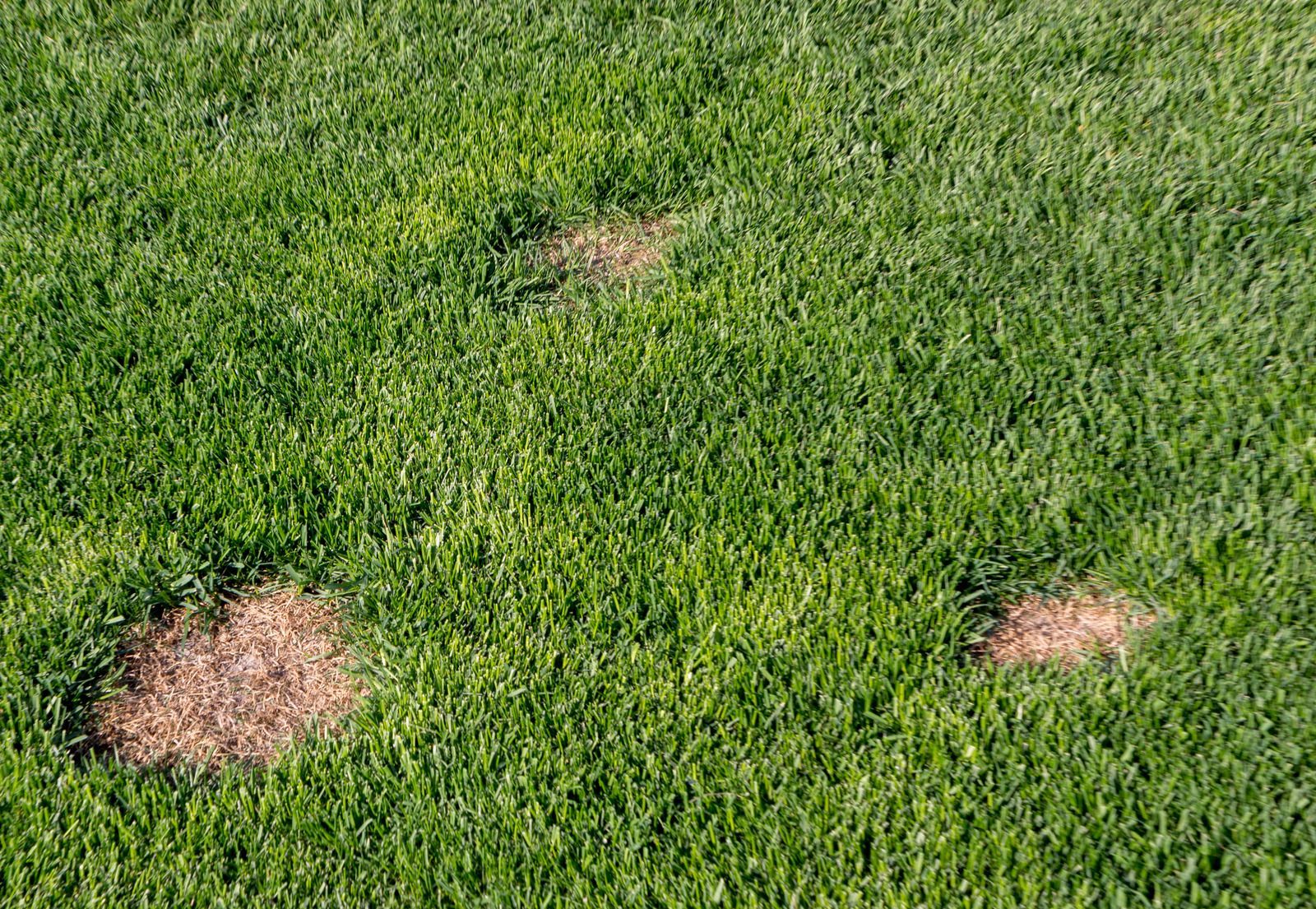
Pet waste alters soil chemistry by increasing nitrogen levels. While this may initially boost plant growth, over time it can damage grass and other vegetation. Accumulated feces often create “dead spots” in lawns, reducing curb appeal, complicating landscaping, and creating unsanitary conditions, particularly in high-traffic areas frequently used by children and pets.
Ecosystem Imbalance
Leaving pet waste untreated attracts wildlife such as raccoons and rodents. These scavengers can carry and spread additional diseases, compounding public health risks. Improper disposal demonstrates how pet waste affects more than humans; it disrupts local ecosystems, spreads pathogens among animals, and alters the natural balance in community green spaces over time.
3. Common Health Risks to Humans and Pets
Skin and Eye Infections
Direct contact with contaminated soil or feces can cause skin rashes, eye irritation, and other dermatological issues. Hookworms, for example, can penetrate the skin, leading to cutaneous larva migrans, a condition marked by winding, itchy rashes. Proper protective measures, including gloves and disinfection, minimize these risks while maintaining safe outdoor spaces.
Disease Transmission to Other Pets
Pets are vulnerable to diseases from contaminated areas. Roundworms, Giardia, and parvovirus can all spread in environments where pet waste is left untreated. Failing to promptly remove waste increases the likelihood of infections among animals within households and neighborhoods, creating recurring cycles of illness and requiring greater veterinary care and preventive measures.
4. Best Practices for Safe Pet Waste Management
Prompt Cleanup
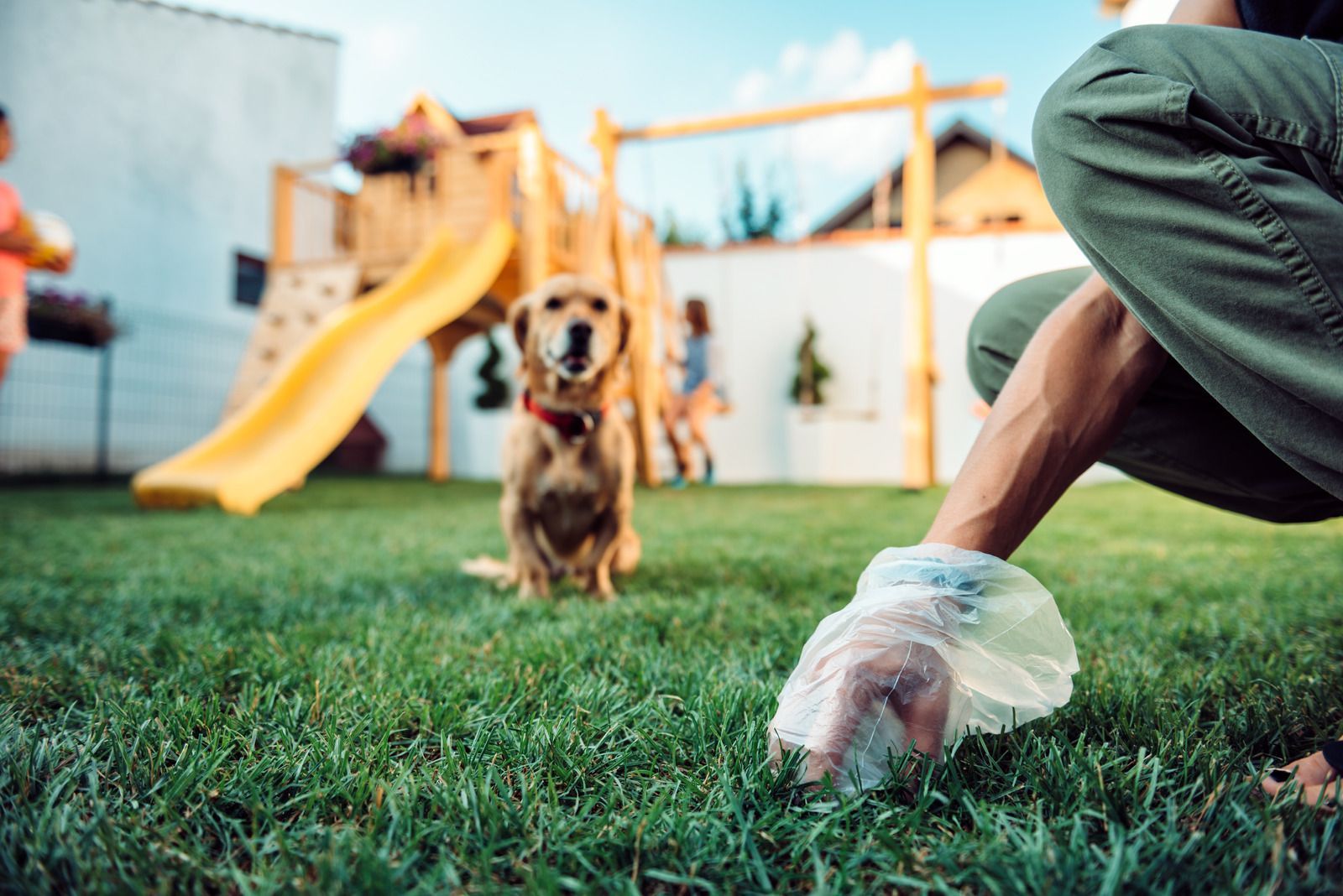
Regular and immediate removal of pet waste is the most effective preventive measure. Using biodegradable bags or designated scoops ensures containment and limits pathogen spread. Establishing a routine schedule is crucial, particularly in yards frequently used by children or pets, preventing exposure to harmful bacteria, parasites, and other contaminants over time.
Safe Disposal Methods
Pet waste should never be flushed into storm drains or left in open areas. Safe disposal options include bagging and placing waste in trash bins, composting in specialized pet waste systems, or using municipal pet waste disposal programs. Each method minimizes environmental contamination, protects local water sources, and ensures households remain safe from disease.
Protective Measures During Cleanup
Wear disposable gloves and wash hands thoroughly after handling pet waste. Using tools such as scoops or pooper-scoopers reduces direct contact and lowers the risk of disease transmission. Disinfecting areas where pets frequently relieve themselves adds an extra layer of safety, particularly in lawns or play areas used by children and family members.
5. Technological and Community Solutions
Pet Waste Stations
Neighborhoods and parks increasingly implement pet waste stations equipped with bags and disposal bins. These stations promote responsible pet ownership, encouraging residents to clean up after animals. By reducing fecal contamination in public spaces, communities can protect human health, improve environmental quality, and foster awareness about the broader risks of untreated pet waste.
Lawn Treatment Solutions
Enzyme-based lawn treatments help break down pet waste efficiently, minimizing odor and pathogen survival. Such solutions are especially useful for multi-pet households and high-traffic yards, where waste accumulates quickly. Regular application ensures soil remains safe, reduces the likelihood of disease transmission, and helps maintain healthier grass and overall outdoor aesthetics.
Educational Initiatives
Community awareness campaigns educate pet owners about the health hazards associated with pet waste. Local authorities, veterinarians, and pet stores can provide resources on proper disposal, protective measures, and environmentally friendly practices. Education strengthens public compliance, fosters responsible pet ownership, and ensures that lawns and recreational spaces remain safe for all residents and visitors.
6. Challenges and Common Misconceptions
Inconsistent Cleanup Habits
Some homeowners skip cleanup during cool or rainy days, assuming pathogens die in such conditions. Many bacteria and parasites survive in damp, shaded areas for extended periods. Inconsistent removal practices increase the likelihood of contamination, illness, and environmental damage. Routine maintenance is essential to protect families, pets, and outdoor spaces from harmful microorganisms.
Keeping Lawns Healthy With Expert Waste Services
The presence of pet waste in lawns is more than a cosmetic issue—it’s a public health concern with tangible risks. From bacteria and parasites to environmental contamination, the hazards extend beyond the immediate household, impacting neighbors, pets, and local ecosystems. Proactive management, including prompt cleanup, safe disposal, and regular lawn maintenance, is crucial to mitigating these risks. Understanding the dangers allows homeowners to create a safer, cleaner, and more enjoyable outdoor space for their families and pets alike. Taking these steps also promotes community health and fosters responsible pet ownership across neighborhoods.
At ScoopyPoo, we specialize in responsible
pet waste management, serving Edina, Minnesota, for over 25
years. Our team understands the unique challenges homeowners face when maintaining a clean lawn while protecting family health and the environment. By providing reliable, professional waste removal services, we help communities enjoy safe, pristine outdoor spaces without the worry of contamination. With decades of experience, modern tools, and a commitment to customer satisfaction, ScoopyPoo
stands as a trusted partner in keeping lawns safe, sanitary, and enjoyable for everyone. Our services are tailored to each property, ensuring comprehensive solutions that protect health, preserve beauty, and enhance the overall outdoor experience for families and pets alike.