Worried About Kids or Pets Playing in the Yard? Parasites in Pet Waste
October 31, 2026

Quick Answer: Dog waste can carry parasite eggs, including roundworm and hookworm, and those eggs end up in the soil where kids dig and pets roll. Many eggs are invisible, and they can stay in the ground long after the waste itself is gone. Picking waste up promptly, every time, keeps eggs from reaching the soil in the first place. Pair that with regular vet checks for your dog, handwashing after outdoor play, and a quick look at the shady, damp corners where kids and dogs both like to spend time.
The back door slams, and two kids and a very happy dog race for the grass. One heads for the sandbox, one flops down to chase a ladybug, and the dog starts rolling on the one patch of lawn that always seems to smell interesting. You are watching from the porch with a coffee, and a small question surfaces that you would rather not think about. What exactly is in that dirt?
It is a fair thing to wonder, and it does not mean you are an anxious parent or a careless dog owner. Almost every household with a dog and a yard has been here. The honest answer is that most of the time nothing bad happens, and that is exactly why the risk is easy to forget. The parasites involved are tiny, they do not look like anything, and they do not announce themselves. This article walks through what is actually in dog waste, how it can get from the lawn to a person, and the simple habits that keep the yard comfortable for everyone who uses it.
What Is Actually Living in Dog Waste
A dog does not have to look sick to pass parasites. Puppies in particular are often born with roundworms or pick them up early, and adult dogs can carry intestinal parasites without any obvious signs. A glossy coat and a wagging tail tell you very little about what is happening in the gut.
Roundworms
These are among the most common intestinal parasites in dogs. Adult worms live in the intestine, and eggs leave the body in the stool. The eggs are microscopic, so a pile that looks perfectly ordinary can still be carrying thousands of them.
Hookworms
These are small intestinal worms that also pass eggs in feces. Once the eggs hatch in warm, damp soil, they release tiny larvae that can survive there and look for a new host.
Whipworms And Giardia
These round out the usual list of yard concerns. Whipworm eggs are tough and can persist in soil, and giardia is a microscopic organism that spreads through contaminated ground and water.
The key point is that the waste itself is just the delivery vehicle. What matters for your family is what gets left behind in the soil once the waste breaks down, washes off, or gets scooped late.
How Parasites Get From the Lawn to a Person
Public health guidance describes a few clear routes, and none of them involve anything dramatic. They involve ordinary outdoor play.
Hands to Mouth
Roundworm eggs from animal feces can contaminate soil. Children may swallow them through dirty hands, toys, or accidentally eating dirt.
Skin Contact With Soil
Hookworm larvae can penetrate skin exposed to contaminated soil or sand, especially when people walk barefoot or sit outdoors.
Paws, Shoes, and Toys
Contaminated soil travels indoors on dog paws, shoes, sports equipment, and toys, spreading onto entryway floors, couches, and rugs.
None of this means a single exposure leads to illness. The CDC points out that many people who are infected never develop symptoms at all. It does mean that the cleanest approach is to keep eggs out of the yard soil rather than hoping hands and shoes stay clean.
TIP: Keep a bin or mat by the back door for muddy shoes and paw wipes. Cutting down on soil tracked inside reduces what your family touches without anyone having to think about it.
Why Eggs Outlast the Pile
Here is the part that surprises many dog owners. Picking up the waste is important, but timing matters because the eggs do not behave like the waste does.
A pile breaks down over days and weeks. The eggs inside it are built to wait. Many parasite eggs have tough outer shells designed to survive outside the body until another animal comes along, and they can remain in soil for weeks or even months under the right conditions. That means a patch where waste sat for a week can still hold eggs well after the visible mess has dissolved into the grass.
This is why the "it will break down on its own" idea does not hold up for yards where people and pets spend time. Breakdown is not the same as sanitation. The soil can be carrying the leftover eggs even when the lawn looks fine. It is also why a recently scooped yard is a better play area than one where waste has been sitting and softening for days.
Shade and moisture help eggs and larvae hang on. A damp, shaded corner under a maple, along a north facing fence, or beside a downspout is a better home for parasites than a sunny, dry stretch of lawn. Those same cool corners are often where dogs return again and again, and where kids like to build forts and dig.
Winter and Thaw: A Minnesota Twist
Cold weather does not make the problem disappear, and Twin Cities households see a version of it that warmer regions do not.
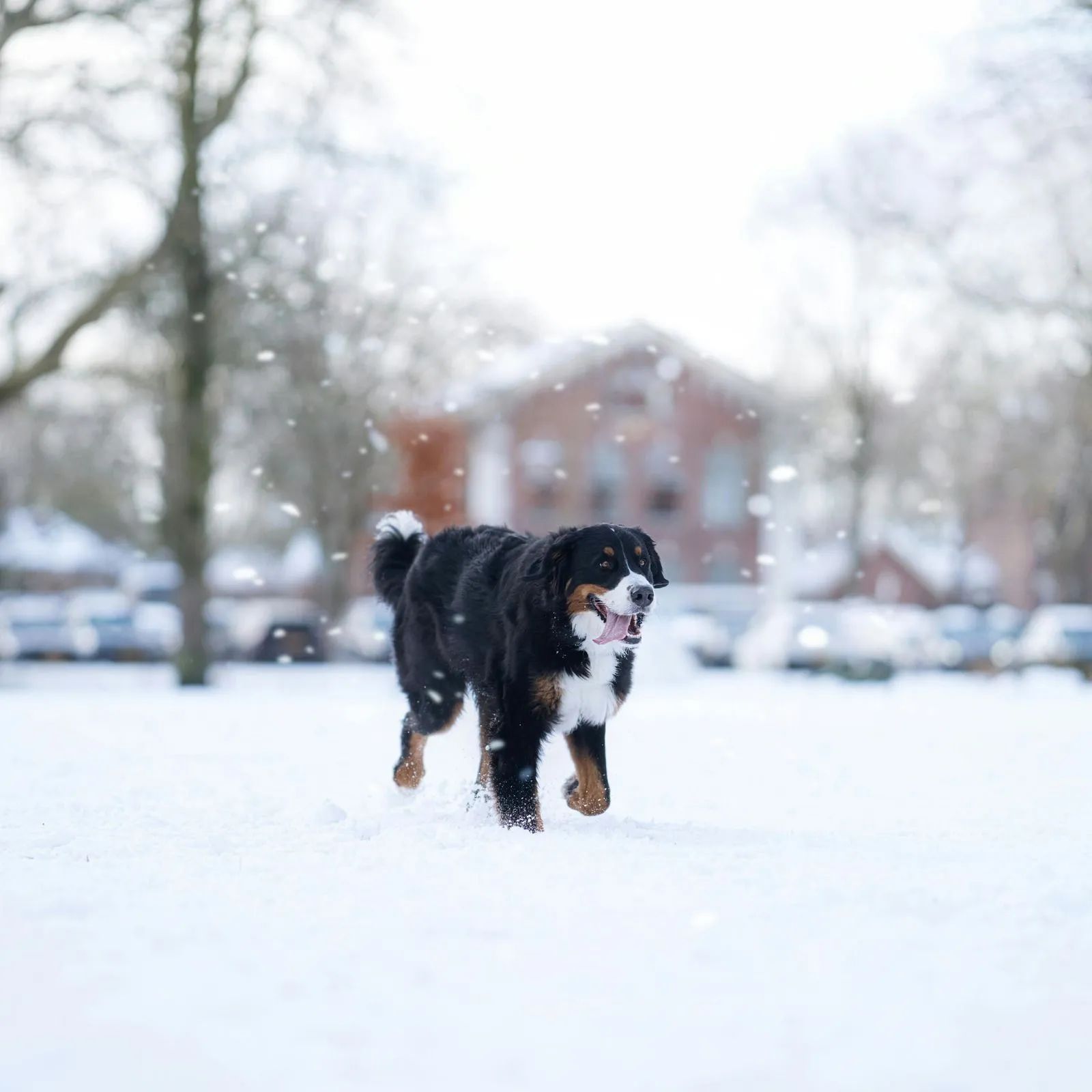
Through a long winter, waste can end up buried and frozen under snow. It is not breaking down, and it is not going anywhere. When the thaw arrives, months of accumulated waste soften and release everything at the same time, right as the kids are ready to pull the sandbox cover off and the dog is begging to get out of the mud room. The ground is wet and soft, which is exactly when soil is easiest to track around and hardest to keep tidy.
Spring meltwater also carries material across the yard as it moves toward the street. In neighborhoods in Edina, Minnetonka, Bloomington, and Eden Prairie, where many yards slope toward storm drains, that runoff can spread what was sitting on the surface into low spots, along the curb line, and into the same damp corners where kids and dogs like to play.
That is why a spring cleanup matters as much as the weekly routine. The yard that gets a thorough reset when the snow disappears starts the season in far better shape than one that is left to sort itself out.
WARNING: Do not rinse waste into the lawn with a hose, and do not rake or mow over it before it has been picked up. Water spreads material around the yard, and a mower can fling it across a much wider area than the original spot.
Small Habits That Protect the Whole Family
You do not need to turn the backyard into a laboratory. A handful of steady habits does most of the work, and they match what public health guidance recommends.
Pick Up Waste Every Time
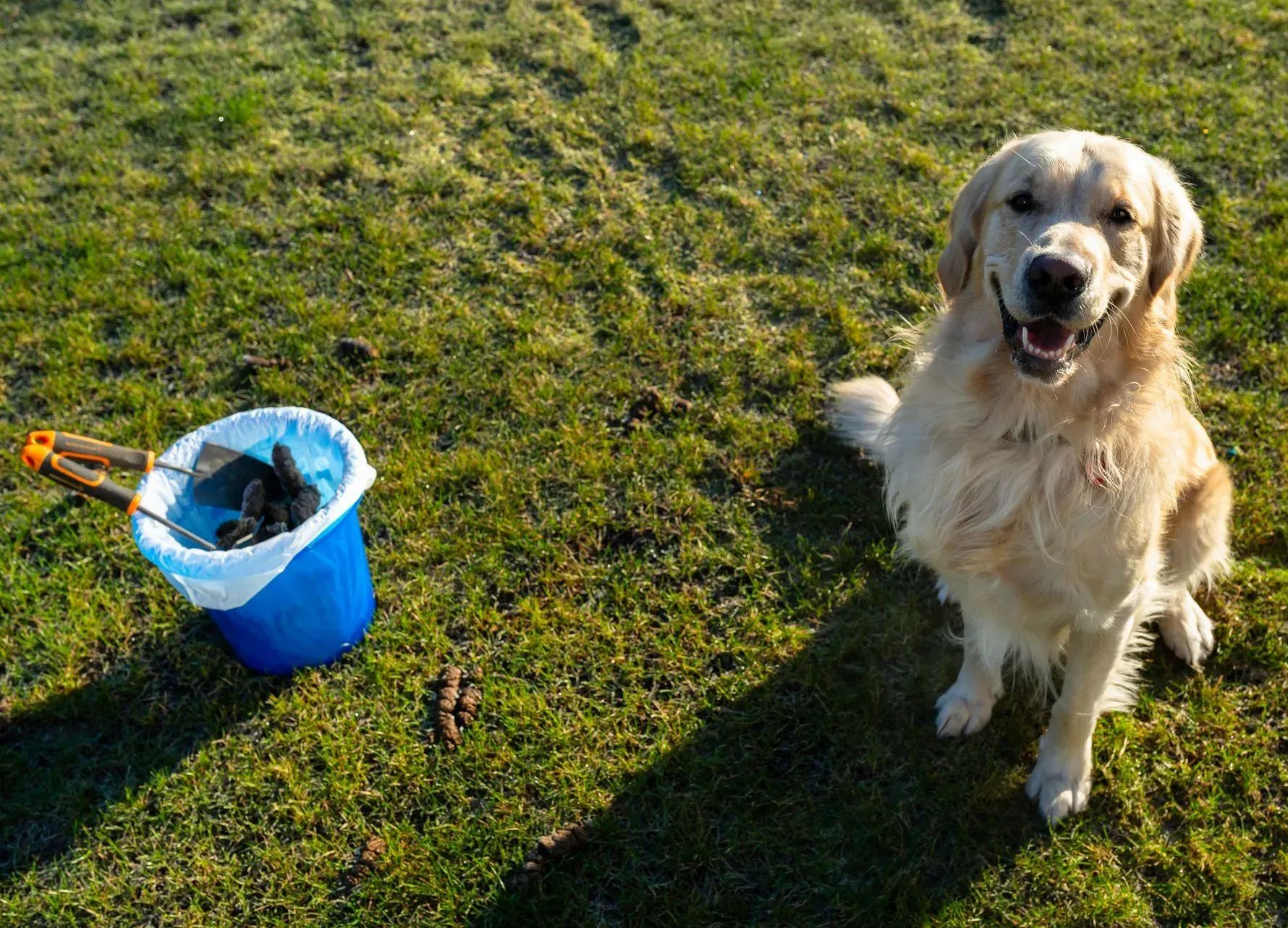
Remove pet waste immediately, seal it in a bag, and discard it in the trash. Wash your hands afterward to reduce soil contamination.
Keep Up With Vet Care
Ask your veterinarian about regular parasite testing and prevention for dogs and cats, especially young pets that spend time outdoors.
Wash Hands After Outdoor Play
Wash hands with soap and water after yard activities, before snacks, and before dinner to reduce accidental ingestion of contaminated soil.
Teach Kids That Dirt Is Not a Snack
Young children explore using their mouths. Offer gentle reminders, discourage eating dirt, and supervise toddlers closely during outdoor play.
Give Kids a Clean Zone
Cover sandboxes and play areas when unused, keeping them separate from dog bathroom spots. Fencing or simple borders help maintain cleaner play spaces.
Check the Corners
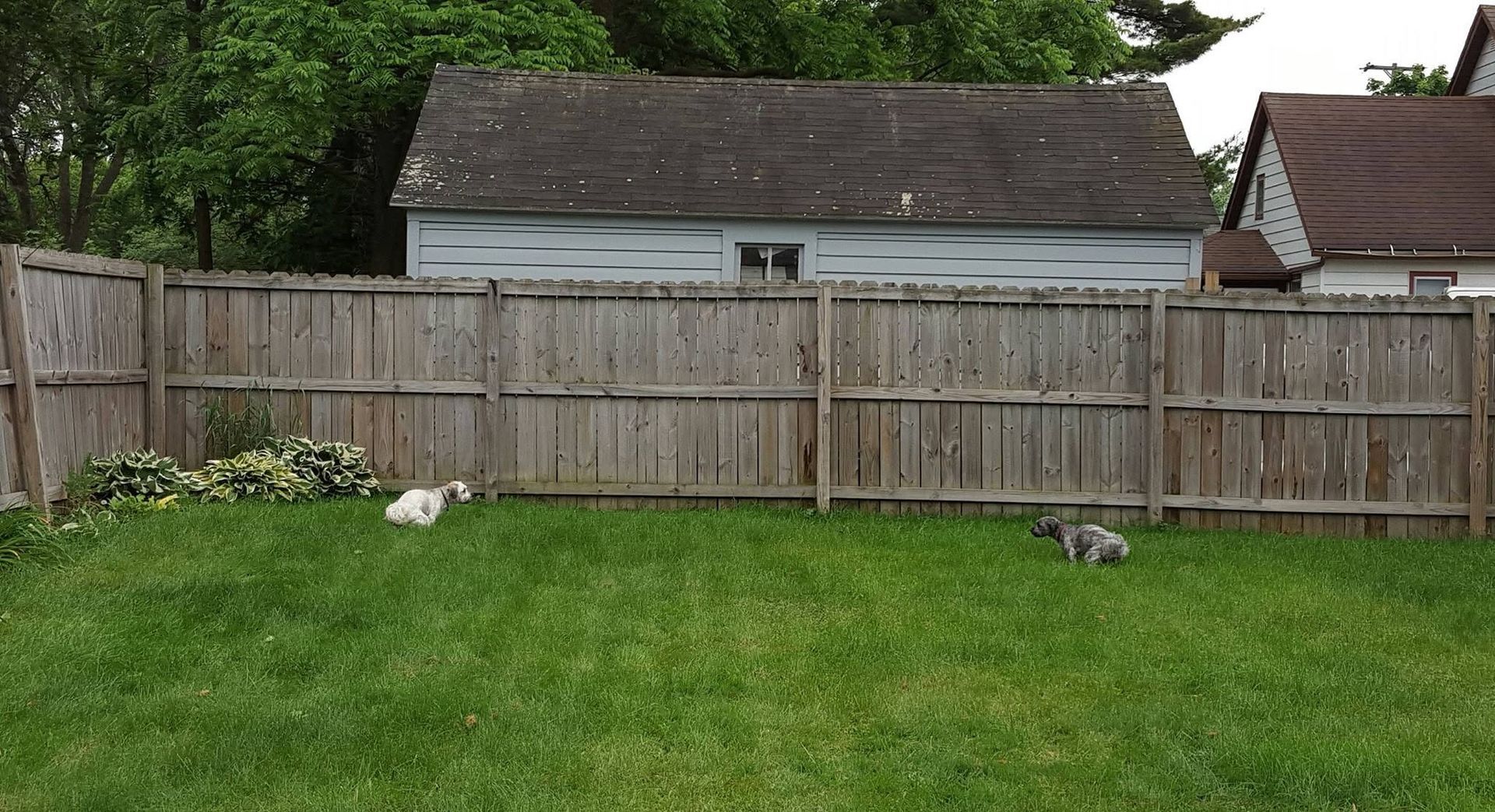
Inspect fence lines, tree bases, gates, and damp low spots regularly. These overlooked areas can hide waste and allow parasite eggs to persist.
When the Yard Gets Ahead of You
Most owners start out with good intentions. Then a busy week turns into two, a snowstorm buries the back half of the yard, a new puppy doubles the workload, or a work trip eats the weekend. Waste sits a little longer than planned, and the family has to decide whether to catch up or ignore it.
That is a normal part of owning a dog, and there is no shame in it. It is simply the moment when the schedule matters more than the intention. A yard where kids play every day needs a more reliable rhythm than a yard nobody uses, and the more dogs you have, the tighter that rhythm should be.
Think About Who Uses the Space
Adjust waste pickup frequency based on yard use. Homes with toddlers playing on lawns need more frequent cleanup than areas reserved for dogs.
Plan for Seasonal Catch Ups
Schedule thorough yard cleanups in late winter and early spring, when accumulated waste often needs attention after months outdoors.
Ask for Help Before It Becomes a Chore You Dread
Consider recurring cleanup services to maintain a consistent schedule without relying on memory, motivation, or favorable weather conditions.
Frequently Asked Questions
Can my kids really get sick from playing in a yard where a dog goes to the bathroom?
It is possible but unlikely in a well kept yard. Infection requires eggs reaching the mouth, often through unwashed hands. Prompt pickup and handwashing lower risk, and your pediatrician can answer specific concerns.
How long do parasite eggs stay in the soil?
Many eggs survive weeks or months, especially in cool, shaded, damp spots. Prompt scooping matters because eggs remain in the soil even after the visible pile has broken down.
Does my dog have to look sick to be passing parasites?
No. Many dogs carry intestinal parasites without symptoms, especially puppies. Routine stool testing and prevention through your vet is the dependable way to know, since healthy looking dogs can still shed eggs.
Is it safe to let my dog roll in the grass after a thaw?
Usually, but spring needs extra attention. Clear winter buildup before kids and dogs spend long hours outside, watch damp low spots, and wipe paws before the dog comes inside.
Do I need to worry about bare feet in the backyard?
Hookworm larvae can enter skin touching contaminated soil. Risk is much lower where waste is picked up regularly. If waste has been sitting, shoes or sandals are a simple precaution.
Will scooping only once a week be enough for a yard with young kids?
For many families, weekly pickup is a solid baseline. Multiple dogs, toddlers on the lawn, or heavy rain and thaw periods may call for a tighter schedule.
Building a Yard That Is Easy to Say Yes To
The goal is not a spotless lawn that nobody is allowed to enjoy. It is a yard where you stop doing mental math every time a child kicks off a sandal or a dog flops in the grass. Picking up promptly, keeping the dog on a good vet plan, washing hands after play, and giving the shady corners extra attention do far more than any single dramatic cleanup. Repeated week after week, those habits keep the soil safer for everyone who uses it.
Keeping that rhythm is usually the hard part, especially after a long Minnesota winter buries half the lawn. ScoopyPoo
has spent 25
years helping families in Edina, MN, and that time has shown that a steady schedule protects a yard better than good intentions alone. A routine that does not depend on a free Saturday or the weather lets the kids dig, the dog roll, and the whole household enjoy the grass without a second thought.