Dog Waste Piling Up Under the Snow All Winter? Why Spring Is a Mess
November 18, 2026
Quick Answer: Dog waste left under the snow does not break down over winter. Cold slows the bacteria and insects that normally do that work, so waste freezes, thaws, and refreezes in place, then shows up all at once when the snow melts. Meltwater can spread it across the lawn and toward storm drains, and some parasite eggs can survive in cold soil for a very long time. The fix is a short list of winter habits, such as keeping one packed path and lifting waste on mild afternoons, followed by a patient, section by section cleanup once the ground firms up.
It is a mild Saturday in late March, and the snowbank behind the garage is finally shrinking. You step outside with your coffee to see how the lawn survived, and the yard has a few things to show you. Along the fence line, beside the back steps, and in a long loop around the one tree your dog loves, the melting snow is handing back everything it has been hiding since December.
If that sounds familiar, you are in very good company. Almost every dog owner in a snowy climate has stood in this exact spot, wondering how the yard got this bad and where to even begin. The short version is that winter did not erase anything. It only put the problem on pause. This article explains what happens to dog waste under the snow, why the thaw is so messy, and how to take the yard from soggy and smelly to ready for the season without making things worse along the way.
What Actually Happens to Waste Under the Snow
Snow feels like a clean white blanket, so it is easy to believe it takes care of things. It does the opposite. Snow hides waste from view, and out of sight becomes out of mind faster than anyone intends. Meanwhile, every new snowfall covers the last layer, and your dog keeps adding to the pile all season.
Cold Stops The Cleanup Crew
In warm months, waste breaks down because moisture, bacteria, and insects work on it over days and weeks. When temperatures drop below freezing, that crew mostly clocks out. Waste that would have faded into the grass by June can sit nearly unchanged from December to April.
Snow Cover Makes The Pattern Worse
Most dogs in deep snow settle into a routine. They use the cleared path from the door, the same corner by the fence, or the one spot where the drift is shallow. That means waste is not spread thinly across the whole yard. It stacks up in a handful of places, one layer after another.
Fresh Snow Buries The Evidence
After a big storm, there is no easy way to spot where yesterday's waste landed. Even careful owners lose track of it, and a busy week of subzero mornings is rarely the time anyone feels like searching a snowy lawn on hands and knees.
By the time the first real thaw arrives, a typical backyard in the Twin Cities can be holding months of accumulated waste, much of it frozen into the snowpack at different depths.
The Freeze and Thaw Cycle That Keeps Waste Looking Fresh
Minnesota winters rarely stay frozen from start to finish. A sunny afternoon can push the temperature above freezing, and then the night drops back well below it. That swing, repeated dozens of times, is hard on a yard.
Reports from northern cities that deal with the same spring reveal describe waste left out in midwinter looking almost unchanged when the snow melts. The repeated freezing and thawing interrupts the natural breakdown instead of finishing it. Dark waste also soaks up sunlight, so on a bright day it warms faster than the snow around it. It sinks into a little pit, melts a thin film of water, and then refreezes into a hard glaze overnight. That is why waste in winter can be locked to the ground at seven in the morning and slushy by two in the afternoon.
Cold is a pause button, not a sanitizer. It is tempting to assume that freezing weather kills whatever is in the waste. The research is more mixed than that. Veterinary public health references note that some roundworm eggs can survive in soil for a year or more, and cold tends to slow their development rather than reliably destroying them. In other words, the same eggs that were in the yard in November can still be there in April.
TIP: KPick up on the mildest part of the day. On an afternoon above freezing, waste loosens from the ground and lifts cleanly with a bag. At sunrise it is often frozen solid to the surface and breaks into pieces that are much harder to collect.
What the Thaw Looks Like in Your Yard
The spring mess does not arrive in one moment. It unfolds in stages, and knowing the order helps you plan when to step in.
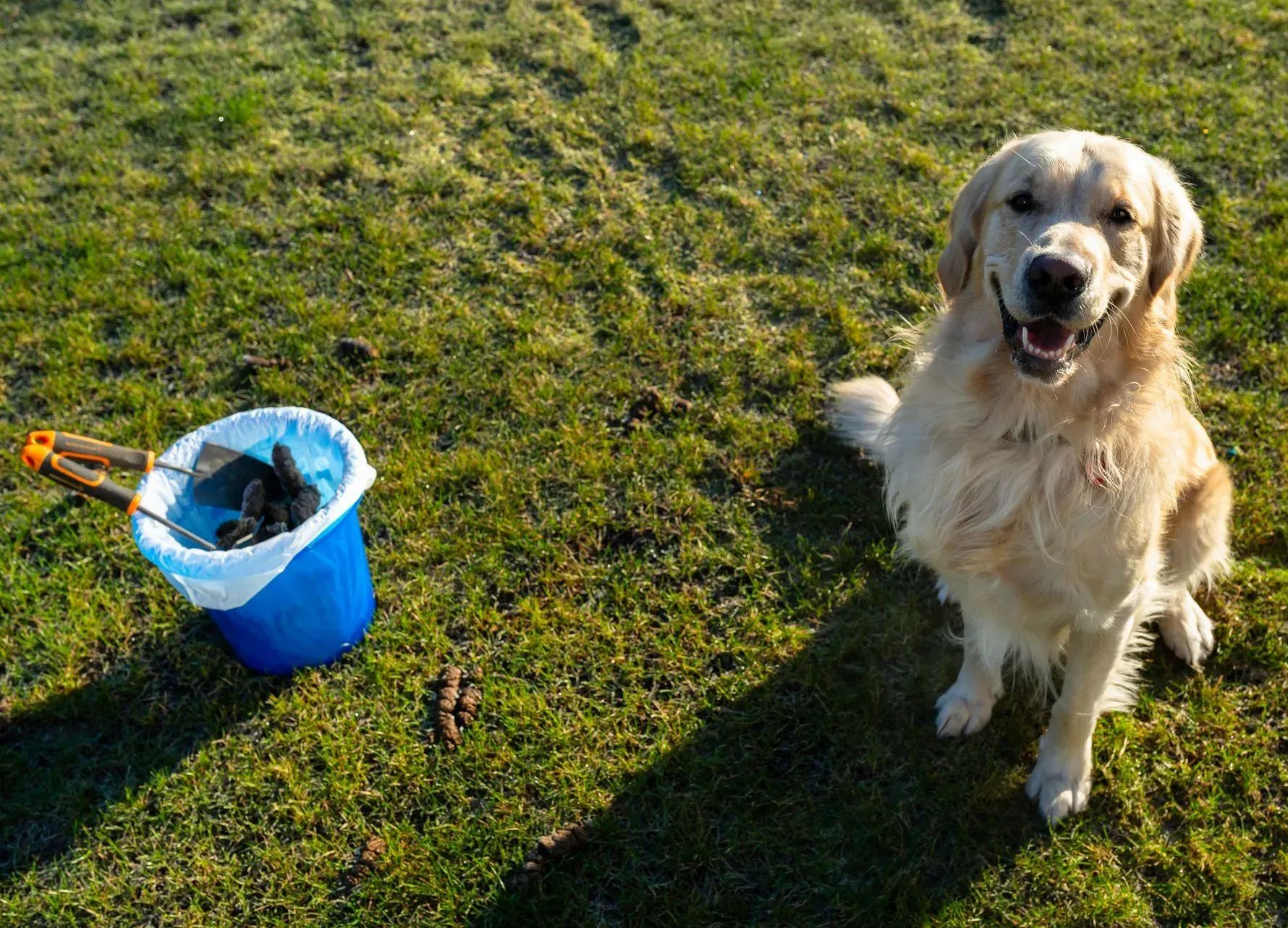
Stage One, The Reveal. Snow retreats first from sunny spots, along the south side of the house, and on the packed path your dog used all winter. Waste starts appearing at the edges of shrinking drifts and in thin strips along fences, where wind and shadow shaped the snow.
Stage Two, The Sheet Of Water. The ground is often still frozen underneath while the snow on top melts. Meltwater cannot soak in, so it spreads across the surface of the lawn and moves downhill. Along the way it softens waste and can carry small pieces and runoff toward low spots, driveways, and curb lines.
Stage Three, The Mud. As the soil thaws, the top layer turns to mush. Paws and boots press waste into the muddy lawn, and it smears across steps, doormats, and the kitchen floor. This is the stage that makes people say the yard is ruined, even though a good cleanup is still very possible.
Stage Four, The Green Up. Grass begins to wake up, but spots that sat under heavy piles or compacted ice are often slow to recover. Thin, yellow, or flattened patches show up where waste concentrated for months.
In neighborhoods across Edina, Minnetonka, Bloomington, and Eden Prairie, many lots slope gently toward the street, so stage two matters more than most people realize. What melts in your yard rarely stays in your yard.
Why the Spring Mess Is Bigger Than the Smell
The odor is the first thing people notice, and it is a real quality of life problem when you cannot open a window or enjoy the patio. But the smell is only the most obvious symptom of a larger buildup.
The Lawn Pays for It.
Waste concentrates nitrogen and salts, potentially burning grass and leaving thin, flattened patches that struggle to recover during early spring growth.
Tracking Becomes Constant.
Soft ground, muddy paws, and wet boots spread waste indoors, leaving messes on porches, floors, and furniture throughout the house.
Some Dogs Find It Interesting.
Frozen and thawing waste can attract curious dogs, sometimes leading them to eat it. A clean yard removes this temptation.
Kids Head Outside First.
Children quickly return outdoors during warm spring days. Cleaning leftover waste protects little hands and knees during playtime and exploration.
The Mess Is Mixed With Other Debris.
Fallen branches, matted leaves, and windblown trash become tangled with waste, making spring cleanup more difficult than ordinary fall maintenance.
Meltwater, Storm Drains, and Local Lakes
The yard is not the only place that feels the spring thaw. The same water that sheets across your lawn eventually reaches storm drains, and storm drains are not connected to a treatment plant.
City stormwater pages in Minnesota explain that rain and snowmelt wash pet waste into storm drains, ponds, rivers, and lakes without any treatment. Once it arrives, it adds nutrients that feed excess algae and weed growth, which can turn water murky, green, and unpleasant for swimming, boating, or fishing. Local water educators in the east metro have also shared an estimate that about 100 dogs in a watershed of up to 20 square miles could produce enough waste to contaminate a small lake in two to three days. That is an estimate rather than a local measurement, but it shows how quickly small amounts add up.
One yard is a tiny contribution. A whole neighborhood of yards, all releasing a winter of accumulated waste into the same drainage system during the same two weeks, is another matter. The Twin Cities region is known for its lakes, creeks, and parks, and many of them sit downstream from the lawns where dogs spend their winters.
The practical takeaway is simple. Waste that is bagged and thrown away does no harm to the water. Waste that is left to melt out in April can travel.
Winter Habits That Shrink the Spring Job
You do not need to scoop in a blizzard to make spring easier. A few small habits reduce the pile dramatically, and they are realistic even in a Minnesota January.
Keep One Packed Path
Shovel or stomp a single route from the door to a designated potty area. Dogs follow clear paths, keeping waste concentrated in an easier-to-clean location.
Keep Bags Where You Need Them
Keep waste bags near the back door, in your coat pocket, and a trash bin near the gate. Easy access encourages more frequent cleanup.
Lift on Mild Days
Use warmer winter afternoons to collect waste along the packed path. Even a short cleanup session above freezing prevents several days of buildup.
Mark Trouble Spots
Place small flags, bright stakes, or garden markers around the potty area's edges after snowfall. These markers help locate hidden waste later.
Clear a Bigger Patch for Older or Smaller Dogs
Dogs struggling in deep snow need accessible potty areas. Shoveling a larger patch helps keep waste concentrated instead of scattered across the yard.
Check the Edges
Inspect fence lines, tree bases, and corners near the gate regularly. These overlooked spots often collect waste that becomes harder to find after snow melts.
Running a Spring Reset Without Making It Worse
When the snow is finally gone, the temptation is to grab a rake and attack everything at once. A calm, ordered approach works better and protects the lawn.
Wait for the Right Ground
If the soil is soggy, walking across it can compact the lawn and push waste deeper. Wait until the surface firms up before starting cleanup.
Work in Sections
Divide the yard into zones, such as back steps, fence lines, side yards, and open lawn. Finish one section before moving to another.
Bag It and Throw It Away
Collect waste in bags, tie them securely, and place them in the trash. Never leave bagged waste in streets, storm drains, or regular compost piles.
Look in the Hidden Places
Check under decks, behind sheds, around shrubs, along driveways, and near snowplow piles. These areas often hide waste that becomes visible only after melting.
Rake Lightly Once the Lawn Firms Up
After removing waste, gently rake matted grass and debris. Avoid aggressive raking until the ground is dry enough to protect grass roots.
Clean Your Tools and Shoes
Rinse shovels, scoops, and boot soles away from the lawn, then wash your hands thoroughly. This prevents leftover waste from spreading indoors.
WARNING: Do not blast waste off the lawn with a hose, and do not mow or power rake over it before it has been picked up. Water pushes material across the yard and toward the street, and a mower or rake can fling it across a much larger area than the original spot.
When One Weekend Is Not Enough
Some yards simply outgrow a Saturday morning with a bag and a rake. A large lot, two or three dogs, a long wooded fence line, or a particularly snowy winter can leave more waste than a single person can reasonably handle. The same goes for anyone with a bad back, a new baby, or a packed calendar in April.
There is nothing wrong with asking for help here. A one time cleanup is built for exactly this situation, and it gives you a clean slate to work from. From there, regular visits keep waste from stacking up again, which means next spring looks very different from this one. The goal is not to turn you into a full time yard crew. It is to make the first warm weekend of the year about opening the patio and not about a chore you have been dreading since January.
Frequently Asked Questions
Does cold weather kill the bacteria and parasites in dog waste?
Not reliably. Cold slows breakdown and parasite development, but it does not make waste safe. Some roundworm eggs survive in soil for a year or more, so wear gloves and wash hands afterward.
How long should I wait after the snow melts before cleaning up?
Start once waste is exposed and the ground is firm enough to walk on without sinking. Cleaning exposed spots early also keeps meltwater from spreading them, which makes the second pass easier.
Will the yellow and brown spots on my lawn recover?
Many do. Stressed grass often greens up once waste is removed and the soil warms. Spots still thin after a few weeks of growth can be lightly raked and reseeded.
Is it really a problem to leave waste in the snow until spring and clean it all at once?
It is common but concentrates the mess into one unpleasant event. Refrozen waste is harder to lift, smears easily, and washes toward the street. Picking up on mild days keeps spring work small.
Is it safe for kids to play on the lawn right after the thaw?
Wait until the yard is cleaned and the ground dries for a few days. Keep play areas waste free, wash hands after outdoor time, and avoid bare feet while the soil stays damp.
What should I do with the bagged waste afterward?
Tie the bag and place it in your household trash. Never put it in a storm drain, leave it at the curb, or add it to regular compost, since pet waste needs separate handling.
Starting the Season With a Cleaner Yard
A long winter does not make dog waste disappear. Cold slows the natural breakdown, so months of buildup sit frozen under the snow until the thaw returns it to the surface all at once. Small habits during the colder months, such as keeping one packed path, lifting waste on mild afternoons, and checking the fence lines after each melt, keep that spring reveal far smaller and much easier to handle when the first warm weekend finally arrives.
Once the snow is gone, a patient cleanup done in sections, with every bag tied and placed in the trash, protects the lawn, the household, and the lakes downstream. ScoopyPoo
has spent 25
years helping dog owners in Edina, MN reset their yards after long winters and keep them clean through every season that follows. With the buildup cleared, the first warm days can go toward open patios, muddy paws that wipe clean, and plenty of backyard play.