DIY vs. Professional Pet Poop Removal: Pros and Cons
June 29, 2026
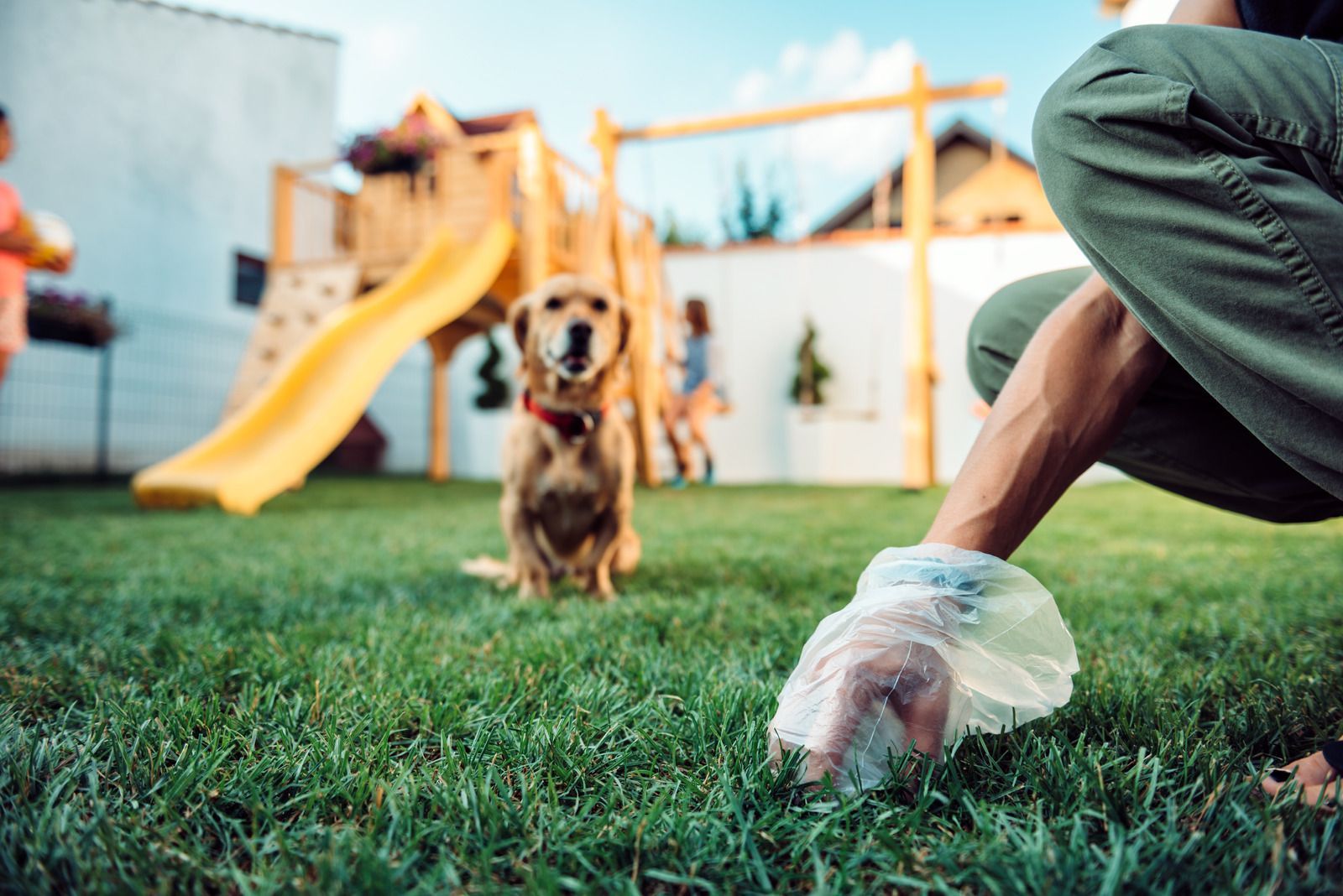
You walk outside on a Saturday morning, coffee in hand, and the yard tells a story you did not want to read. Weeks of accumulation, patches of dead grass, and the kind of smell that follows you back inside. You grab a bag and get to work, wondering somewhere around the third scoop whether there is a better way to handle this.
That question is worth answering properly, because the choice between doing it yourself and hiring a professional is not just about convenience. It is about your time, your yard's health, your family's safety, and what actually gets done versus what gets moved around.
What DIY Pet Waste Removal Actually Involves
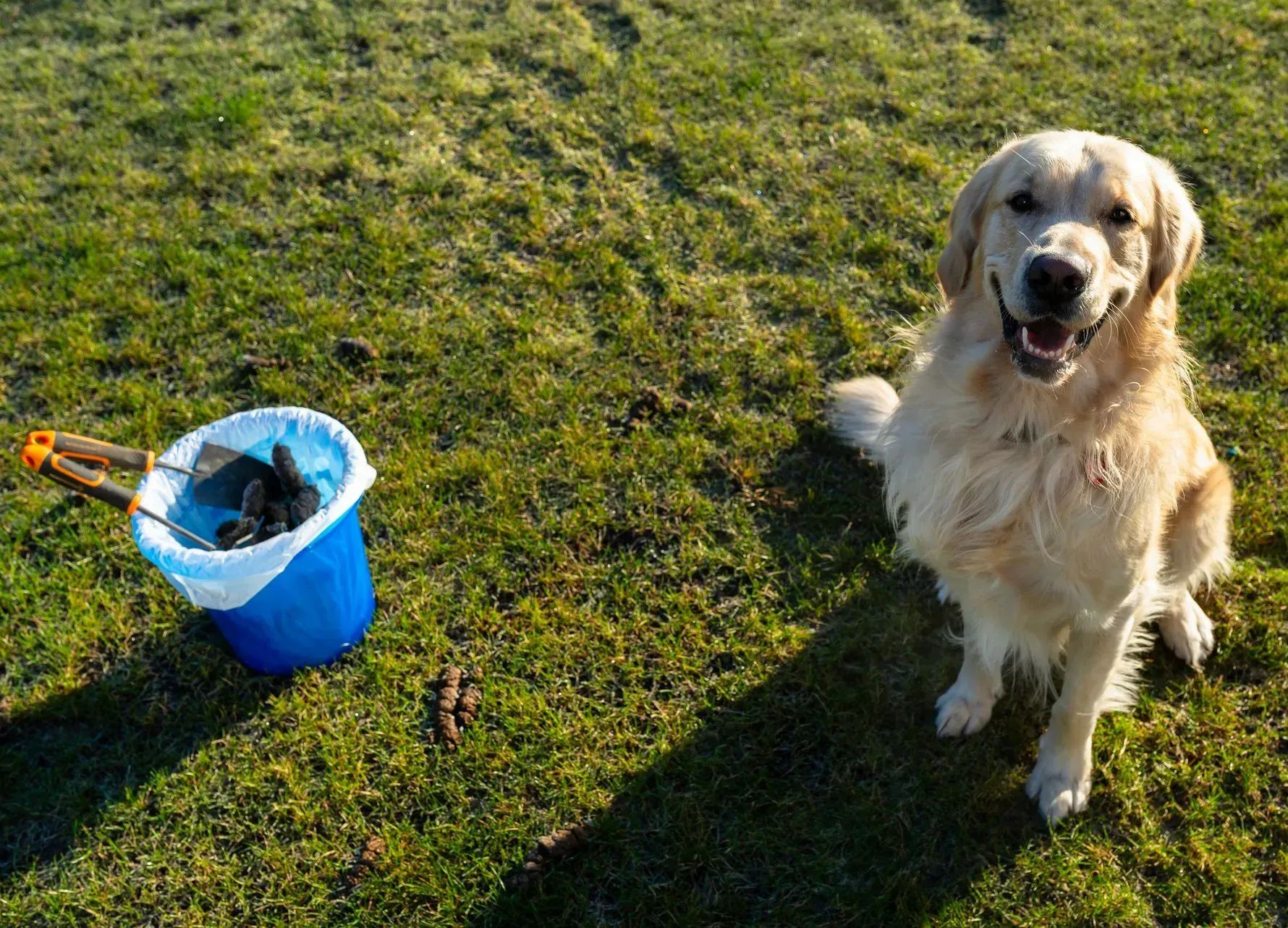
Most people underestimate what consistent, thorough waste removal takes. Grabbing a bag and walking the yard once a week feels simple until you account for what you are actually dealing with.
A single dog produces roughly 274 pounds of waste per year. Two dogs double that. Waste that sits longer than 24 to 48 hours begins breaking down into the soil, transferring bacteria and parasites directly into the ground where your kids and pets play. In Minnesota, the freeze-thaw cycle that runs from November through March creates a specific problem: waste freezes solid and appears to disappear, then thaws in April as a concentrated layer across the entire yard surface. What looks clean in January becomes a health situation in spring.
The real demands of DIY removal:
- Walk every section of the yard in a grid pattern, not a casual sweep
- Bag waste in sealed, double-layered bags before disposal
- Dispose of waste correctly (standard trash, never compost or storm drains)
- Treat affected grass areas after removal to prevent nitrogen burn and odor retention
- Repeat at minimum twice per week for one dog, three or more times for multiple pets
TIP: Before you start, mark your yard into quadrants. Most DIY cleanups miss 20 to 30 percent of the yard because people scan visually rather than walking a systematic path. A grid approach takes an extra five minutes and catches what casual passes miss entirely.
WARNING: Never handle pet waste without gloves, and wash hands thoroughly afterward. Toxocara canis (roundworm) eggs can survive in soil for years and are transmissible to humans, including children who play in the same areas. This is not a minor risk.
The Real Pros and Cons of DIY
Where DIY works well
If you have one small dog, a compact yard, and the discipline to clean two to three times per week, DIY is genuinely manageable. The upfront investment is a few dollars in bags and a scoop. Done consistently, it keeps the yard safe and does not require scheduling anyone else.
Where it breaks down
The moment life gets busy, two weeks of missed cleanups creates a volume problem that is unpleasant and time-consuming to reverse. Research on pet waste habits consistently shows that most pet owners clean less than once per week, which means most yards are carrying more accumulated waste than the owners realize.
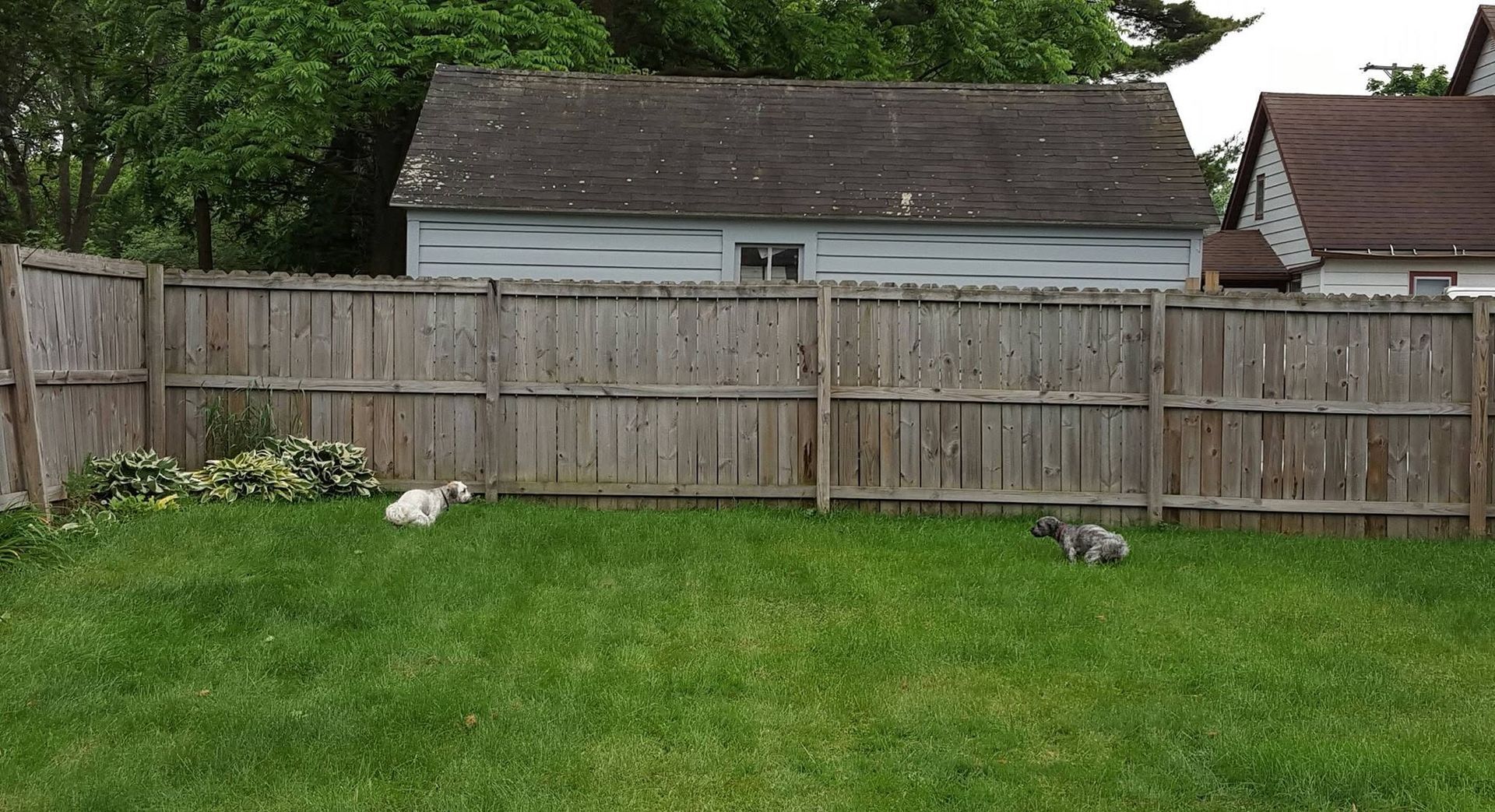
In the Edina area, the long winters create a specific version of this problem. Waste accumulates under snow from November onward and reveals itself all at once during the first warm week of March or April. What would have been a manageable weekly routine becomes a full-scale spring cleanup that can take two to three hours for a mid-sized yard.
What Professional Pet Waste Removal Delivers
A professional service operates on a scheduled, systematic basis. Each visit covers the full yard using the same grid approach described above, removes all waste from the property entirely, and logs the service. You are not moving waste from one corner to a bag in your garage. It leaves the yard.
For households with multiple dogs, professional removal typically runs on a weekly or twice-weekly schedule. The service handles the volume consistently regardless of weather, travel, or schedule changes on your end.
Beyond convenience, there is a sanitation argument. Professional crews use disinfected equipment between properties, which prevents cross-contamination of parasites from yard to yard. That is something a household scoop and bag setup cannot replicate.
DIY vs. Professional: A Direct Comparison
| Factor | DIY | Professional |
|---|---|---|
| Upfront investment | Low (bags and scoop) | None required |
| Ongoing time commitment | 20 to 45 minutes per week | Zero |
| Consistency | Dependent on your schedule | Guaranteed on set days |
| Coverage quality | Variable | Systematic, full-yard |
| Winter and spring cleanup | Fully on you | Included in service |
| Equipment sanitation | Household level | Professional grade |
| Parasite cross-contamination risk | Present | Present |
The honest framing: DIY works if you do it. Professional service works regardless of whether you do.
Local Conditions in Edina, Minnesota That Change the Calculation
Edina's climate makes the DIY math harder than it looks in warmer states. The metro area averages around 54 inches of snowfall per year, and winters regularly stretch from late October through mid-April. That is a five-month window where waste is accumulating under insulating snow cover that keeps it preserved rather than broken down.
The spring thaw produces what service crews around here call the "April problem": a yard that looked clean all winter reveals a full season of preserved waste in roughly two weeks. The volume can be genuinely shocking, and the smell carries significantly when temperatures first break above 40 degrees. For homeowners in Edina's residential neighborhoods with yards backing to common areas or near neighbors, that thaw window creates a concentrated sanitation issue that is difficult to address alone.
Summer humidity in the Twin Cities also accelerates bacterial growth in waste that sits more than 48 hours, which is relevant for anyone stretching their DIY schedule to once a week or less.
Mistakes That Make DIY Harder Than It Needs to Be
Cleaning only when it is visible
Waste partially covered by grass or leaves does not disappear. It continues breaking down into the soil. Cleaning what you can see leaves the rest.
Using a single bag without sealing
Unsealed waste bags in a trash can contribute to lingering odor and can attract wildlife, especially in areas near Edina's park system where raccoons and other animals are active.
Skipping cleanup through winter
It feels harmless because the yard looks clean. It is not. The freeze preserves everything until spring delivers it all at once.
Treating it as a monthly task
A healthy adult dog produces waste daily. Once-a-month cleanup means the yard is carrying 30-plus days of accumulation most of the time. That volume changes the soil pH in affected areas and kills grass in patches that take a full growing season to recover.
Frequently Asked Questions
How often does pet waste actually need to be removed to keep a yard healthy?
For one dog, twice per week is the minimum to prevent grass damage and odor buildup. For two or more dogs, three times per week is more realistic. Waste left longer than 48 hours in summer temperatures begins breaking down into the soil surface, transferring bacteria and elevating ammonia levels that burn grass roots. Consistency matters more than the method you use.
Is pet waste removal in Minnesota different from other states?
Yes, meaningfully so. The freeze-thaw cycle preserves waste under snow rather than allowing it to break down over winter. When temperatures rise in March and April, the full winter's accumulation thaws simultaneously, creating a concentrated sanitation event in a short window. Homeowners and professional services in the Twin Cities plan specifically for this spring cleanup surge.
Can pet waste cause health problems for my family?
It can. Roundworm eggs (Toxocara canis) survive in soil for years after waste is removed and are transmissible to humans. Children who play in contaminated areas are at higher risk. Giardia and campylobacter are also present in dog waste and can survive in soil and water. This is the primary reason prompt, thorough removal matters beyond aesthetics.
What happens to grass that is not cleaned regularly?
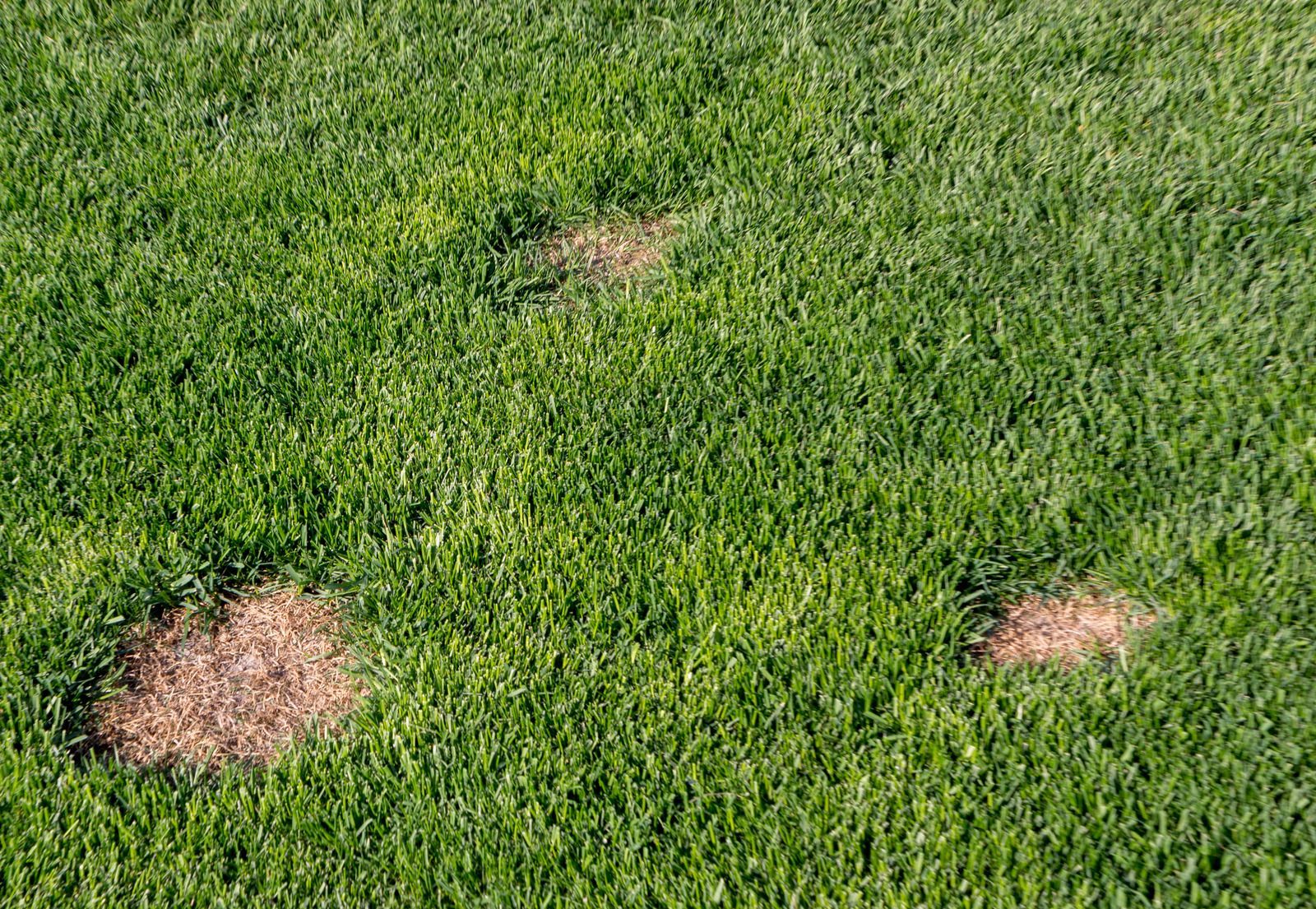
Concentrated nitrogen in dog waste burns grass in the spots where dogs go repeatedly. Affected areas show as yellow or brown dead patches that can take a full growing season to recover, and sometimes require reseeding. Yards with high waste accumulation over winter often reveal several of these patches when snow melts in spring.
Is professional pet waste removal worth the investment compared to doing it myself?
For one small dog and a consistent schedule, DIY is manageable. For multiple dogs, irregular schedules, or anyone who wants the yard reliably clean without dedicating time to it each week, professional service covers the volume and consistency that most DIY routines eventually fall short on, especially through Minnesota winters.
Experienced Crews Keeping Edina Yards Clean Every Week
Consistency is the single variable that determines whether your yard stays clean and your family stays safe, regardless of which approach you choose. In Edina and the surrounding Twin Cities communities, the winter accumulation cycle makes inconsistency more costly than it would be elsewhere, and the spring cleanup window is short enough that falling behind creates a real problem.
ScoopyPoo
has handled
pet waste removal
across Edina, Minnesota for 25
years. Our scheduled service covers the full yard on every visit, manages the seasonal spring surge that catches most homeowners off guard, and keeps your outdoor space clean week to week without putting it on your task list. Reach out to schedule your first visit or discuss a regular plan for your property.